


Precision Engineering: The Manufacturing Journey of Aluminum Foil Rolls
From Alloy to Tableware: A Showcase of Modern Metallurgy
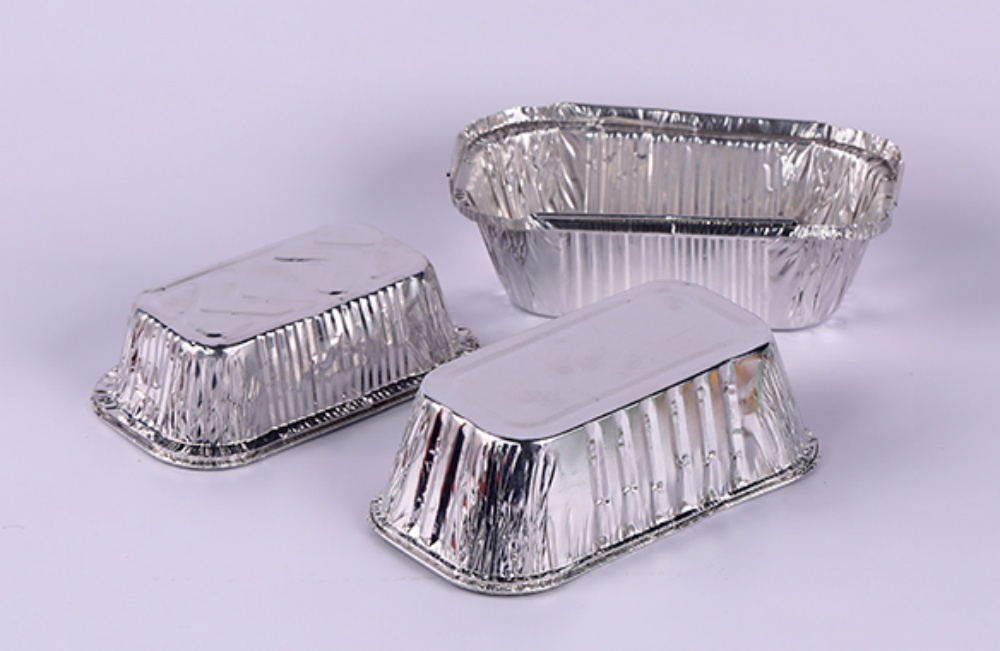
The production of high-quality disposable tableware is a marvel of modern metallurgy. It begins in the foundry with aluminum melting, where specific alloys are created to ensure the foil is both flexible and strong. The core of this process involves aluminum extrusion and rolling technology, where thick slabs of metal are thinned down into a versatile aluminum foil roll. For the tableware industry, this foil must maintain a specific "dead-fold" characteristic—the ability to be folded and hold its shape without springing back.
I. Precision Customization for Market Demands
In the Western market, precision customization is the key differentiator. Manufacturers use advanced aluminum profiles and CNC-machined dies to stamp out containers that fit specific aesthetic and functional needs.
Whether it is a deep-dish lasagna tray or a shallow pastry tin, the precision of the mold ensures that the thickness remains consistent across the entire surface. This prevents "hot spots" during cooking and ensures that the container does not fail during transport.
II. Engineering Efficiency and Performance
By understanding the mechanical limits of the aluminum extrusion process, engineers can create lightweight yet rigid structures that minimize material waste while maximizing performance.
1. Optimized Structural Design
Leveraging precise aluminum profiles allows for the creation of containers that are strong and durable without unnecessary bulk, ensuring efficient use of materials and reducing overall weight.
2. Ensuring Quality and Reliability
Advanced manufacturing techniques guarantee each piece meets strict standards for consistency, strength, and functionality, providing reliable performance from oven to table.
III. Summary
The journey from raw aluminum to a finished foil roll and then to precision-customized tableware is a testament to advanced engineering and manufacturing excellence. Through controlled aluminum melting, precise extrusion, and custom stamping processes, manufacturers produce high-performance, reliable, and sustainable tableware that meets the exacting demands of the modern food service industry.
| Manufacturing Stage | Key Process | Resulting Benefit |
|---|---|---|
| Alloy Preparation | Controlled aluminum melting | Optimal flexibility and strength |
| Forming | Aluminum extrusion and rolling | Consistent, thin aluminum foil rolls |
| Customization | CNC-machined dies and stamping | Precise, application-specific tableware |
| Quality Assurance | Thickness consistency checks | Prevents hot spots and ensures durability |
This commitment to precision engineering not only delivers superior products but also supports sustainability through material efficiency and recyclability, aligning with the evolving needs of global markets and environmentally conscious consumers.